Quick Facts
Easy to grow
1
Flowers in spring and early summer
2
Best planted in well-drained soil
3
Thrive in full sun and drought tolerant
4
Avoid damp sites on heavy soil
5
Propagate from offsets, aerial bulbils or seed
6
Good cut flowers
7
Attractive to pollinators
8


Before you get started
Choosing alliums
To choose the right allium for you consider the following:
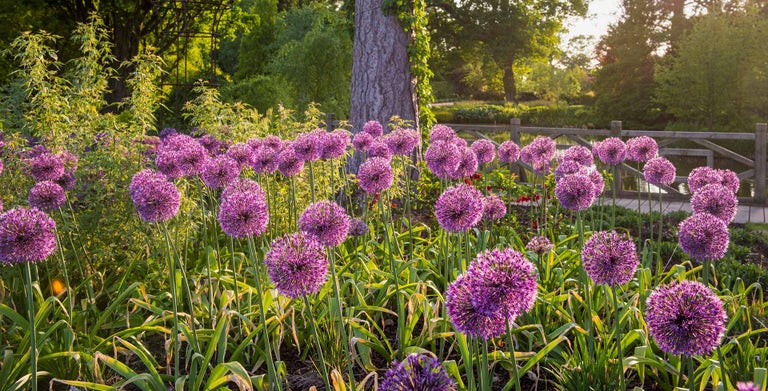
- Flower size and colour Alliums are available in shades of blue, purple, mauve, pink, yellow and white and with a range of flower head sizes from just a few centimetres to 18-20cm (7-8in) in diameter
- Height Tall alliums such as Allium stipitatum ‘Mount Everest’, which can be over 90cm (3ft) in height, add an architectural quality to your garden. You can plant them in the middle of a border where they can stand above shorter neighbours. You can plant smaller-flowered alliums, for example Allium cristophii, in clumps nearer the front of the border or in the rock garden
- Flowering time Most flower in May and June. For later flowers, tryAllium sphaerocephalonfor colour in July and August
- Consider how you would like your alliums to combine or contrast with other early-flowering perennials in your garden. For dramatic effect, alliums can be planted next to orange flowering geums, or yellow euphorbia or, for a softer look, try combining them with grey foliage plants such as artemisia
- Specialist alliums, such as Allium insubricum, are best grown in containers or the rock garden so you can give them the care they need more easily
- If you have cooler more moist conditions you could grow one of the smaller alliums more suited to woodland conditions e.g.Allium moly ‘Jeannine’.
Buying Alliums
are widely available in garden centres and online in the autumn. Buying plants in flower in spring or early summer gives you the chance to choose the best flower type for your garden.
To track down specific cultivars, you can use the RHS Find a Plant or visit a specialist nursery.
Planting
When to plant
Plant allium in early to mid autumn.
Where to plant
- For best results border alliums need a sheltered site (to avoid the flower spikes getting blown over) and a free-draining soil with plenty of sunshine
- Allium can also be grown in containers
- Avoid planting in cold exposed or conditions as bulbs can rot
- It's best not to plant the bulbs in areas of the garden that are regularly cultivated as it is easy to damage the bulbs when digging
- The leaves die down at flowering time, so it’s best to plant alliums where this foliage is masked by that of other plants. As the leaves start to die back they can be removed with no ill effects
How to plant
Prepare your soil
Dig over the soil and remove any weeds before planting. Avoid planting into freshly manured soils which may be too nutrient rich.
In borders
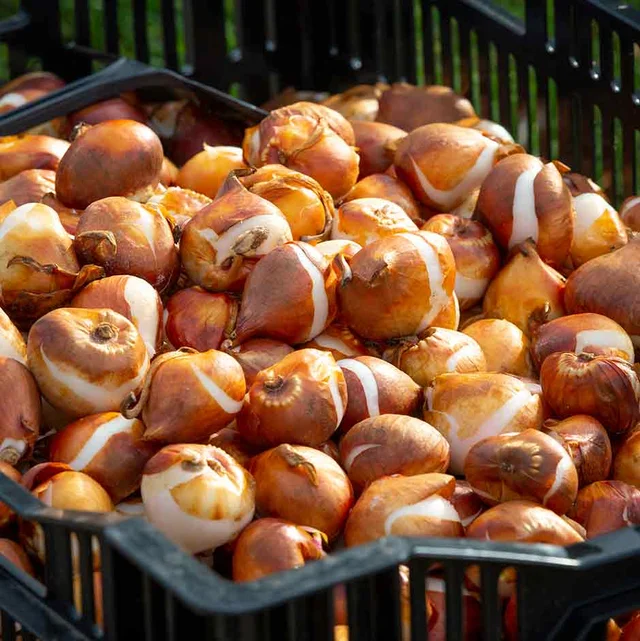
Plant bulbs in early autumn at a depth of about four times the diameter of the bulbs. Plant smaller growing alliums 7.5-10cm (3-4in) apart, and taller species need at least 20cm (8in) between the bulbs.
In containers
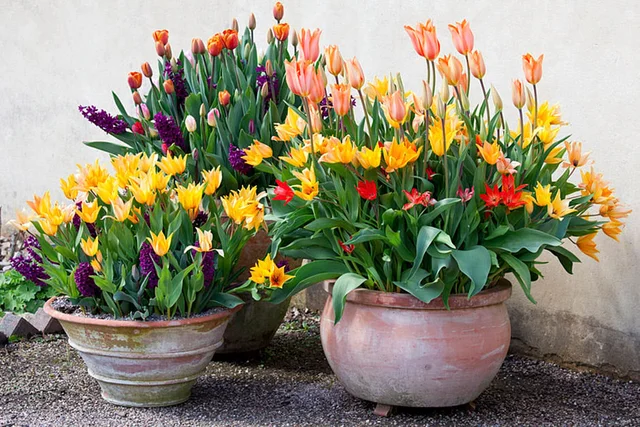
Most alliums will do well in deep pots. Either use a good peat-free general purpose potting or mix equal parts of peat-free John Innes No. 3, peat-free multi-purpose compost and horticultural grit.
Alliums in pots can be placed behind other containers to mask the fading foliage.
Ongoing Care
Watering
Alliums are drought tolerant and watering of plants grown in the ground is not usually necessary. Plants dislike summer irrigation because this may cause the to rot. Alliums grown in containers will need additional watering, but make sure the does not become .
Feeding
Regular feeding is not necessary.
Deadheading
You can cut off the spent flower heads at the base but this is not essential as the dried flower heads look attractive in the border.
Overwintering
Plants in the ground are hardy and don’t need any special care over winter
Plants in containers can be more susceptible to winter cold. To help them survive the winter
- Move containers to a sheltered spot
- Give them some protection from winter rain by standing them in the lee of a wall or in a or greenhouse
Caring for older plants
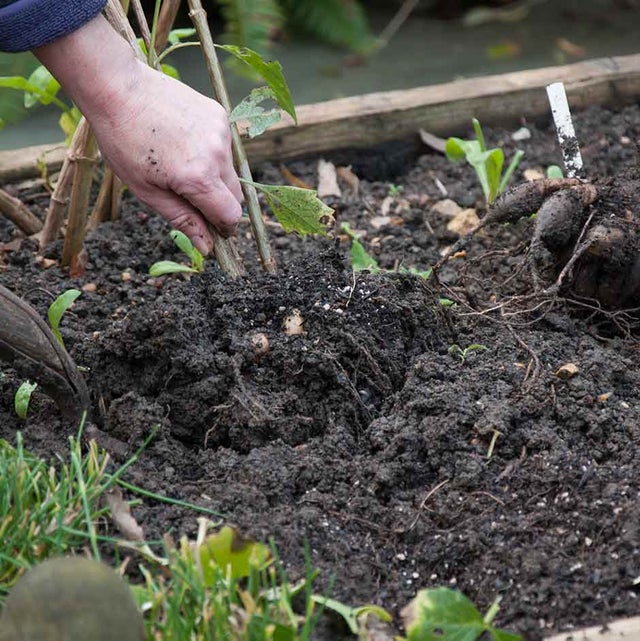
If clumps of older plants are becoming overcrowded you can lift, divide and replant them after the foliage and flowers have died down.
Propagating
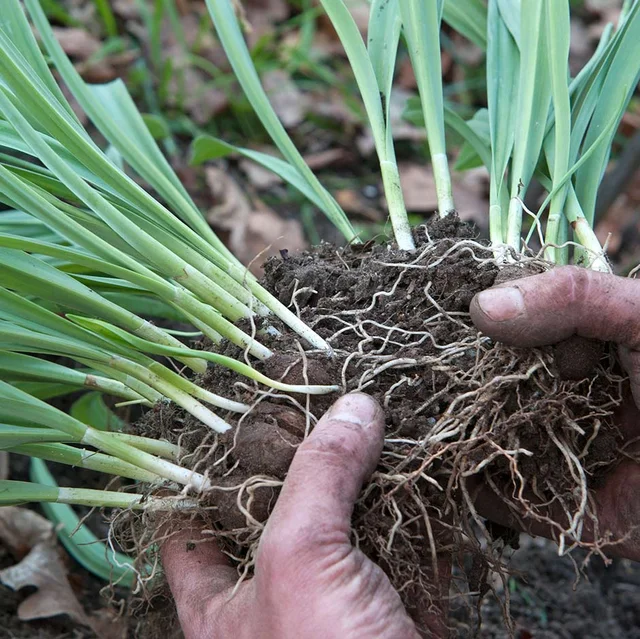
Many allium species produce offsets, new young plants. Once flowering is over and leaves have died down, you can lift the and detach the offsets. Either plant them directly in their final positions or grow on outside in pots of gritty peat-free .
Some alliums (Allium roseum, A. sphaerocephalon and A. vineale) produce aerial bulbils (small young bulbs produced instead of flowers) in the flower head. These bulbils can be carefully removed and separated. The bulbils can be planted in moist free-draining, peat-free compost about 2.5cm (1in) apart and covered with 1cm (3/8in) layer of compost. It will take several years for them to reach flowering size.
You can propagate alliums by seed, however hybrids will not ‘come true’ (i.e. they may vary in colour and shape from the parents) by this method. It is best to sow as soon as possible. Sow into trays of gritty peat-free compost and and cover the seeds with 5mm of grit. Place the containers outside in a shady spot. Alternatively store seeds in a fridge and sow in spring at about 13°C (55°F). Most should germinate within 12 weeks. It will take several years to reach the flowering size.
Problems
Ornamental alliums can suffer from the pests and diseases that affect edible alliums such as onion white rot, downy mildew and onion fly, although they tend to be trouble free in the border. However, it is best to avoid planting where onion crops have been grown. Pests to be on the watch for include slugs and snails and allium leaf miner